
Back-To-School Safety Reminders
As students across Massachusetts prepare to head back to the classroom, many families are shifting from summer routines to early mornings, busy schedules, and new activities. This seasonal transition is also an excellent opportunity to revisit everyday safety habits that help keep children protected. From traveling to school to staying safe online, a little preparation can give kids confidence and help parents feel more at ease.
Back-to-school safety extends far beyond the classroom. Whether a child is walking to school in Wilmington, biking through Middleton, or coming home alone in the afternoon, each part of the day presents its own risks. Building awareness around these moments can help families stay organized and prepared throughout the school year.
Taking time now to refresh key safety routines can ensure children begin the year with strong, healthy habits. Below are important tips families can review together before the first bell rings.
Safe Habits Before the School Day Starts
The morning commute is one of the most essential parts of a student’s daily routine. Whether children walk, bike, take the bus, or get dropped off, reviewing a few basic rules can make their trip safer and more predictable.
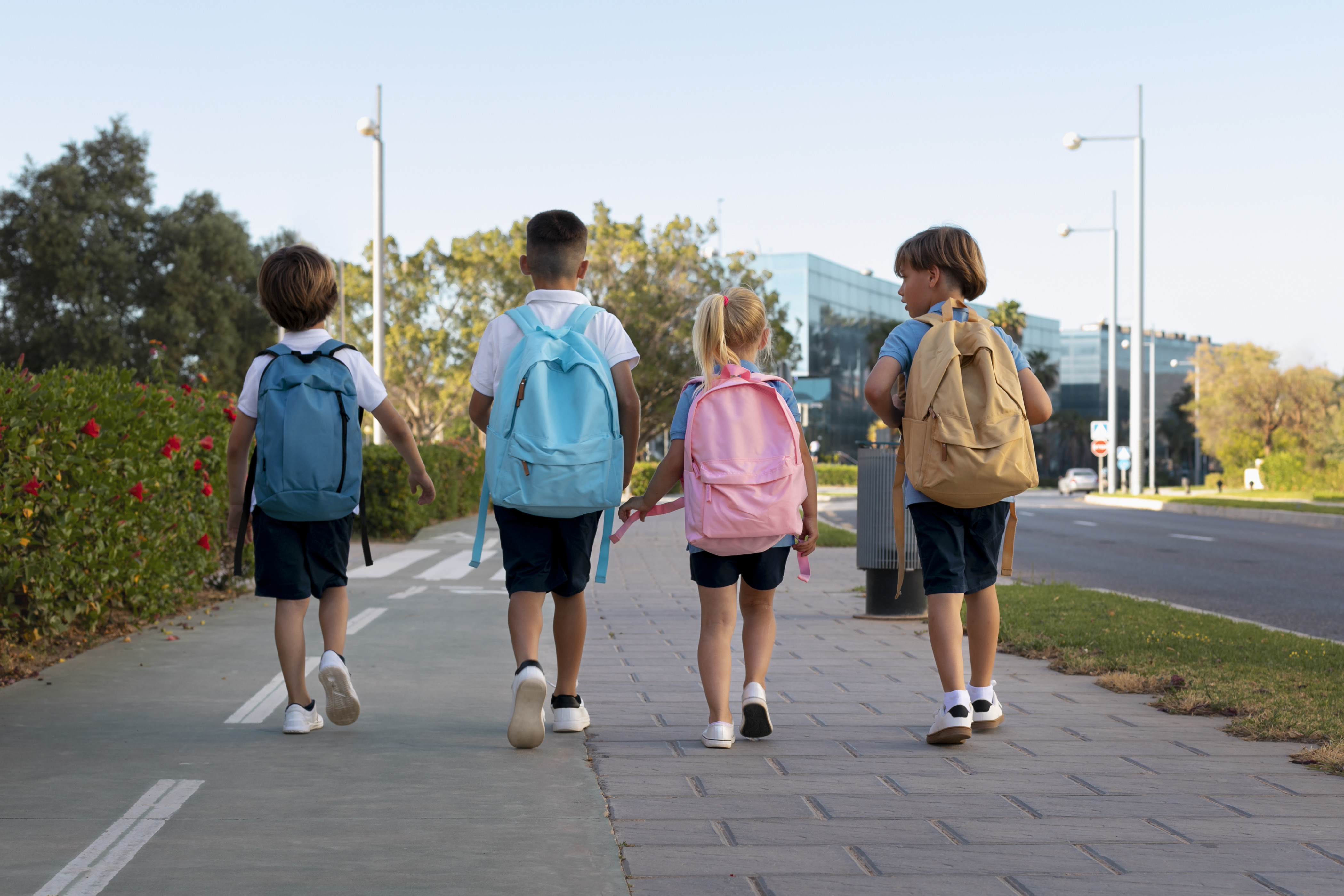
Kids who walk to school should stay on sidewalks whenever possible and use designated crosswalks or intersections. Looking both ways before stepping off the curb is important, but making eye contact with nearby drivers helps ensure they are seen. Parents may want to encourage children to walk with a friend or sibling. This simple buddy approach can help kids stay aware of their surroundings during the morning rush.
For students who ride bicycles, a properly fitted helmet is a must. Children should stay to the right side of the road and travel in the direction of traffic. Coming to a complete stop before crossing a street is also essential. Families may want to choose quieter roads or routes with fewer intersections to make the ride to school a calmer, safer experience.
Bus riders should also review basic safety steps before the school year begins. Kids waiting for the bus should stand several feet away from the curb and avoid approaching until the vehicle has fully stopped. Students should also avoid walking behind or directly in front of the bus unless they can confirm the driver sees them. These reminders can help reduce risks during busy pickup times.
Parents who drive their children to school contribute to overall safety as well. Following school drop-off procedures, reducing speed in school zones, and never passing a stopped bus are simple but important daily habits.
Teen drivers may need a few extra reminders, too. Reviewing expectations around wearing seatbelts, following posted speeds, avoiding phone use, and limiting passengers can help reinforce smart decisions behind the wheel.
Building Safe and Healthy School-Day Routines
Once students arrive at school, several everyday habits can support a safe and healthy environment. One valuable skill is knowing basic information in case of an emergency. Children should know their full name, home address, and a parent or guardian’s phone number. Some families place a laminated emergency card in a backpack that lists medical details and contact information. Having this on hand can be especially helpful if a child needs assistance outside the home.
Health habits also play a major role during the school year. Shared classrooms and cafeterias make it easy for germs to spread, so teaching children to wash their hands thoroughly and avoid sharing drinks or snacks can help reduce the spread of illness.
Backpack safety is another topic worth reviewing. A backpack that is too heavy can strain a child’s back and shoulders. Experts recommend that a backpack not exceed more than 15% of a child’s total body weight. Using both shoulder straps can also help distribute the weight more evenly.
Bullying prevention remains an important focus for many families. Parents can talk with their children about recognizing bullying behavior, reporting concerns, and identifying the adults they can turn to at school. When kids know they have support, they often feel more comfortable speaking up when something isn’t right.
Even labeling school items requires some care. Instead of displaying a child's full name on the outside of backpacks, lunch boxes, or jackets, families may choose to use initials or place labels inside items for added privacy.
Staying Safe After School
Safety planning doesn’t end once classes are dismissed. The after-school period can involve shifting schedules, activities, and changing routines. Having a simple check-in plan can help reduce worry. Children walking home or arriving before a parent can call or message once they are safely inside. Some families also use GPS features or tracking tools on backpacks for a bit of added reassurance.
If a child spends time at home alone, clear rules should be discussed in advance. Families can review expectations about keeping doors locked, avoiding opening the door for unexpected visitors, and knowing when it is appropriate to answer the phone. Children should also understand what to do if someone comes to the door unexpectedly.
Internet safety should remain a regular conversation throughout the school year. Kids should be reminded not to share private information online, such as their address, school name, or daily routine. Encouraging open communication can help children feel comfortable discussing online interactions that seem unusual or concerning.
Emergency preparedness is another helpful step. Children should know where to go if severe weather strikes, where to meet during a fire, and who to contact if a parent or guardian cannot be reached. Practicing these plans at home can make real emergencies feel less frightening.
As families across Wilmington, Middleton, and the surrounding Massachusetts communities begin a new school year, reviewing simple safety practices can make the transition smoother. At K & B Insurance, LLC, we understand how important it is to protect what matters most. If you have questions about safeguarding your home, vehicle, or family—or if you would like a personalized insurance comparison—our team is always here to help.